Skip to content
Struggling with coatings that chip, fade, or harm the environment? You’re not alone. Traditional finishing methods can be messy, inconsistent, and environmentally taxing.
Powder coating solves all that. It’s a dry finishing technique that delivers an incredibly durable, uniform, and eco-friendly surface—ideal for both aesthetics and protection across industries.
Let me walk you through how powder coating works, the types of powders used, where it shines, and how to design your parts for flawless finishing.
What Is Powder Coating?
Still using wet paint for industrial parts? It might be time to upgrade.
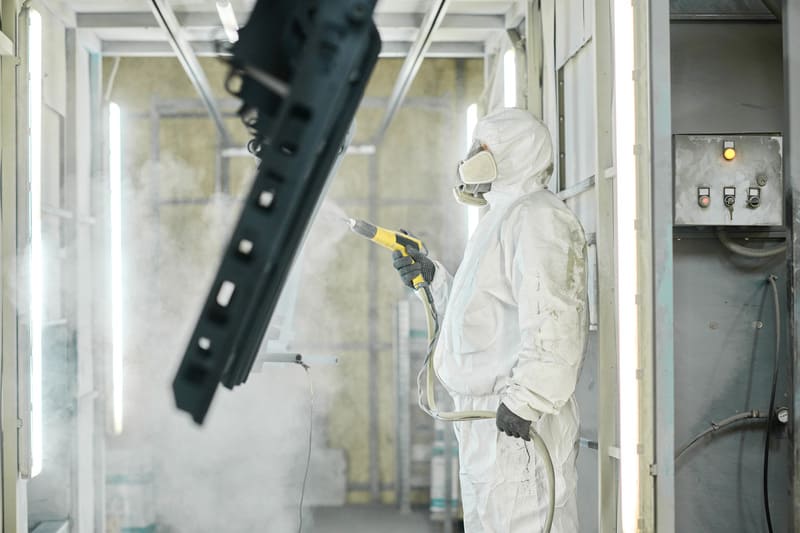
Powder coating is a solvent-free finishing method where dry resin and pigment particles are electrostatically applied to metal and cured in an oven. The result is a strong, attractive, and uniform surface that outperforms traditional paints in durability, environmental impact, and aesthetic control.
Dive Deeper
At its core, powder coating is about combining performance with sustainability. Instead of spraying liquid paint (which can drip, sag, or emit VOCs), powder coating uses charged powder particles that cling evenly to grounded metal parts. The coating is then baked in a curing oven where the particles melt, flow, and cross-link into a hard plastic-like shell.
This process delivers thick, uniform layers without the need for multiple coats or primer. Better yet, the overspray can be collected and reused, making the process both cost-efficient and environmentally responsible.
Why I Recommend It
For CNC machined aluminum or steel components, I choose powder coating when I need:
- Excellent scratch and corrosion resistance (ideal for parts used outdoors or in harsh environments)
- A visually consistent matte, satin, or gloss finish
- Fast turnaround without sacrificing quality
- Compliance with green manufacturing standards (zero or near-zero VOCs)
In my experience, powder coating is the go-to finish for everything from chassis parts and control panels to display housings and outdoor fixtures. Its versatility across color, texture, and performance makes it an invaluable part of the post-processing toolkit.
Pro Tip: Always choose powder coating over paint when dimensional tolerances allow for a thicker finish (typically 50–150 µm). It’ll last longer and look better—without adding cost down the line.
How the Powder Coating Process Works
Think powder coating is just spraying and baking? Not quite.
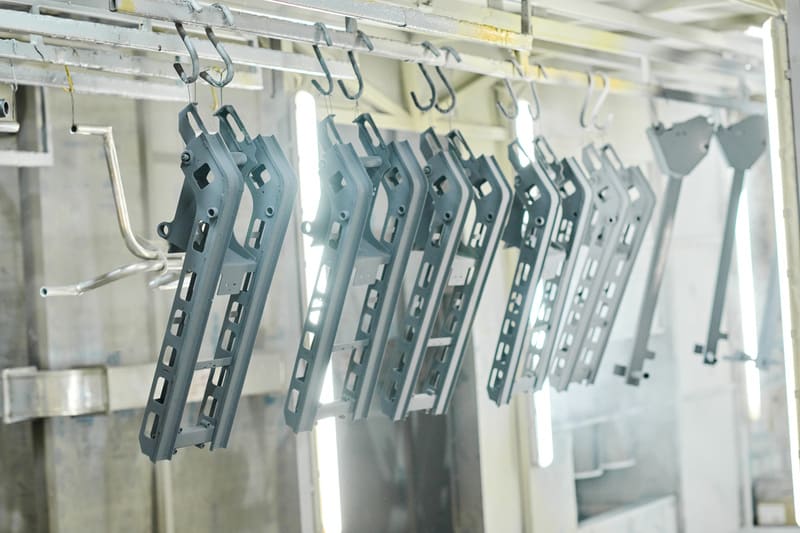
The powder coating process is a multi-step operation that requires precise control of cleaning, application, and curing. Each phase directly affects adhesion, surface texture, corrosion resistance, and long-term durability. Without proper prep or curing, even the best powder can fail.
Dive Deeper
1. Surface Preparation
This is the most critical step. A contaminated surface leads to adhesion failure, bubbling, or premature peeling. Here’s how it’s done:
- Cleaning: Degreasers or alkaline cleaners remove oil, dust, and coolant residues from machining or forming.
- Mechanical Profiling: Grit or bead blasting roughens the surface microscopically, giving the powder something to grip onto.
- Chemical Pretreatment: Phosphate (for steel) or chromate (for aluminum) conversion coatings are applied to enhance corrosion resistance and paint adhesion.
2. Powder Application
The cleaned parts are hung on racks connected to a grounding system. An electrostatic spray gun charges the powder particles, which are then sprayed toward the grounded part. The powder wraps around corners and into recesses thanks to electrostatic attraction, resulting in even coverage without runs or drips.
- Spray Angle & Distance: Typically 6–10 inches from the surface at 30–45° angle for complex geometries.
- Manual vs. Automated: Manual for low volume or complex parts; automated booths for consistent high-volume coating.
3. Curing
After application, the coated parts are transferred to a curing oven. Here, the powder melts, flows, and undergoes cross-linking—a chemical reaction that transforms it into a durable, bonded film. This is what gives powder coating its characteristic toughness.
- Temperature Range: 160–210°C (320–410°F)
- Cure Time: Typically 10–20 minutes depending on powder chemistry and part thickness
Why It Matters
I’ve seen customers try to cut corners by skipping surface prep or curing at the wrong temp. The result? Coatings that flake off within weeks. But with the right process—from degreasing to bake-out—powder coating performs like a champion under UV, moisture, salt spray, and abrasion.
Pro Tip: Don’t rely solely on color to confirm cure. Always validate oven temperature with a probe and test coating hardness post-process.
Types of Powder Coating Materials
Not all powder coats are built the same. Picking the wrong one can lead to cracking, yellowing, or premature failure.
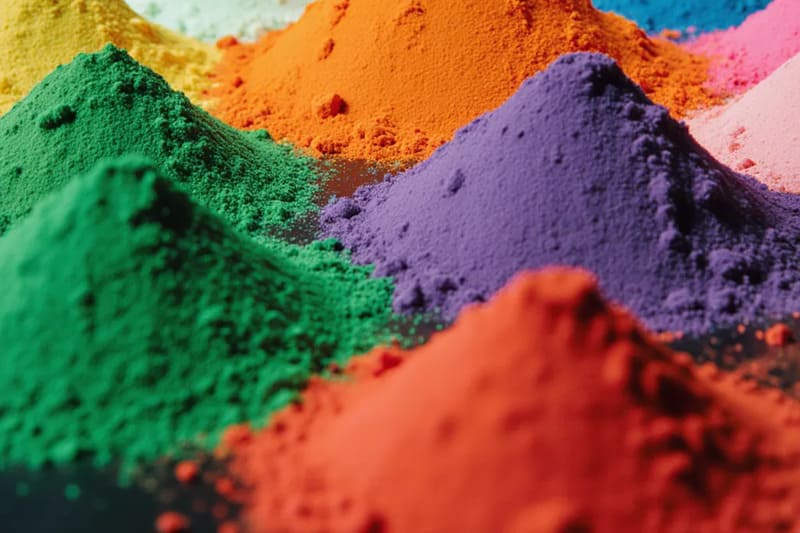
There are two primary categories of powder coating materials—thermoplastics and thermosets—each offering distinct chemical behaviors and application strengths. Your part’s end use determines which to choose.
Dive Deeper
1. Thermoplastic Powder Coatings
Thermoplastics soften with heat and harden upon cooling—without undergoing any permanent chemical change. This makes them re-meltable and suitable for applications requiring flexibility and reparability.
- Performance Traits: High impact resistance, excellent chemical resistance, thicker coating potential
- Common Resins: Nylon, Polyethylene, PVC
- Best For: Coatings that may need to flex or endure repeated impact
- Applications: Tool handles, shopping carts, dishwasher racks, bike frames, protective railings
2. Thermoset Powder Coatings
Thermosets chemically cross-link when baked, forming a durable, irreversible bond. Once cured, they can’t be re-melted, making them ideal for long-term exposure and high-performance uses.
- Performance Traits: Excellent heat, chemical, and UV resistance; great adhesion to metal
- Common Resins: Epoxy, Polyester, Polyurethane, Acrylic
Thermoset Resin Breakdown
| Resin Type | Strengths | Common Uses |
|---|---|---|
| Epoxy | Great adhesion and corrosion resistance, but UV-sensitive | Indoor components, control panels, electrical housings |
| Polyester | Strong UV/weather resistance, good color retention | Outdoor enclosures, signs, agricultural equipment |
| Polyurethane | Hard, glossy finish with chemical/impact resistance | Automotive trim, industrial parts, decorative metalwork |
| Acrylic | Excellent clarity and smoothness, limited flexibility | Appliance panels, decorative coatings, display housings |
My Recommendation
If I’m finishing a CNC-milled aluminum housing for electronics, I almost always go with polyester thermosets for their blend of UV stability and surface durability. For indoor-use brackets or fixtures, epoxy gives unbeatable adhesion—even on tight geometries.
Pro Tip: Always match the powder type to your environment. Outdoor applications should never use straight epoxy due to its UV weakness—it’ll chalk or discolor fast.
Key Benefits of Powder Coating
Still debating between paint, anodizing, or powder? Let me break it down.
Powder coating delivers a unique combination of mechanical durability, visual appeal, environmental friendliness, and cost efficiency—making it one of the most versatile finishes in modern manufacturing. It’s the go-to choice when you need lasting protection without sacrificing aesthetics.
Dive Deeper
Eco-Friendly
Unlike traditional liquid paints, powder coating contains zero solvents and emits negligible VOCs (volatile organic compounds). This reduces environmental impact and improves workplace air quality.
- No hazardous waste disposal required
- Meets EPA and RoHS environmental compliance standards
- Overspray can be recycled—up to 98% material efficiency
Exceptional Durability
Powder-coated surfaces resist chipping, scratching, fading, corrosion, and weathering. The baked-on film is thicker and more flexible than liquid coatings, absorbing impacts and daily wear with ease.
- Rated for salt spray exposure >1,000 hours (ASTM B117)
- Excellent UV and moisture resistance for outdoor parts
- Withstands handling during shipping and assembly
Aesthetic Versatility
From textured blacks to high-gloss colors and metallics, powder offers nearly endless possibilities for customizing the look and feel of your product. It also provides uniform coverage—even on complex geometries—without runs or brush marks.

- Available in matte, satin, gloss, wrinkle, and hammertone finishes
- Consistent color across large production runs
- Can mimic chrome, anodized, or soft-touch appearances
Cost-Efficient Over Time
While the upfront process may seem more complex, powder coating reduces rework, rejects, and maintenance costs. Plus, unused powder is recoverable, helping lower long-term material expenses.
- Fewer defects = lower scrap rates
- Faster production cycles due to single-coat coverage
- Reduces need for priming, sanding, or recoating
Low-Maintenance Surface
Powder-coated parts stay cleaner longer and are easier to wipe down. They resist grime, oils, and stains, which is crucial for customer-facing products and industrial settings alike.
- Ideal for medical equipment, appliances, and public furniture
- Washable without degradation
- Won’t peel or flake with routine cleaning
Real-World Payoff
When I recommend powder coating to clients building outdoor enclosures or decorative steel panels, I know they’re getting both long-term protection and a premium visual impression. It’s a finish that not only performs—but looks great doing it.
Pro Tip: For parts that require both corrosion resistance and aesthetics, powder coating beats both anodizing and wet paint in lifecycle cost and wear performance.
Where Powder Coating Is Used
Think powder coating is just for car parts? Think bigger.
Powder coating is used across virtually every manufacturing industry—from rugged industrial equipment to high-end consumer electronics. Its unmatched combination of visual appeal, wear resistance, and environmental compliance makes it a preferred finish wherever function meets form.
Dive Deeper
Automotive
In the automotive world, powder coating is a staple for both aesthetics and protection. It’s used on:
- Rims, wheels, and trim for scratch-resistant finishes
- Chassis components like suspension arms and brackets
- Underbody parts exposed to salt, oil, and grime
I’ve worked with automotive clients who rely on polyester powder to handle everything from road salt to brake dust, all while delivering a premium look.
Appliances
Household appliances benefit from powder’s durable and easy-to-clean finish. Common applications include:
- Washing machines and dryers (exteriors and control panels)
- Oven and refrigerator surfaces
- Dishwasher racks coated with thermoplastic powders for flexibility and water resistance
Architecture
Powder coating is widely used on architectural aluminum and steel due to its long-term resistance to weathering, fading, and chipping. Typical uses:
- Window and door frames
- Metal railings and staircases
- Exterior cladding and fencing
Polyester and fluoropolymer powders are especially common in LEED-certified buildings thanks to their VOC-free application and durability.
Furniture
From outdoor patio chairs to ergonomic office frames, powder coating is the go-to choice for metal furniture:
- Steel shelving units and storage racks
- Desks, workbenches, and cubicle systems
- Public seating and playground structures
The finish resists scratching from repeated use and can be matched to brand color schemes for consistency across product lines.
Industrial Equipment
Heavy-duty environments need finishes that endure impact, abrasion, and chemical exposure. Powder coating is used on:
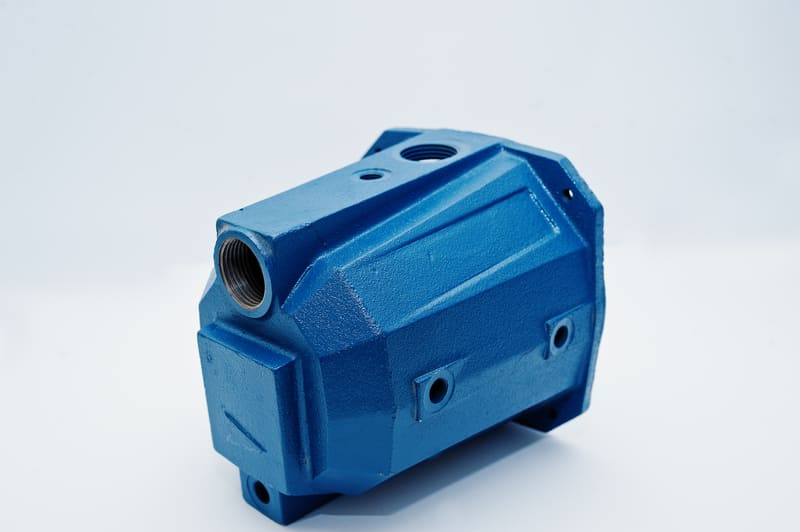
- Machine housings and access panels
- Electrical control cabinets and conduit enclosures
- Storage bins, forklifts, and shop carts
Consumer Products
Consumers interact with powder-coated items every day, including:
- Bicycles and e-scooter frames
- Exercise equipment and gym racks
- Garden tools, grills, and storage systems
Brands choose powder coating here for its color consistency, smooth surface feel, and protective properties—all in one cost-effective package.
Pro Tip: If your product faces sunlight, sweat, or rough handling—powder coating will outperform paint every time. It’s why I recommend it across industries where visual quality and endurance matter equally.
Design Considerations for Powder Coated Parts
Ever had powder coating flake off or clog a threaded hole? It’s likely a design issue.
To get consistent, high-quality results from powder coating, your part must be designed with the process in mind. From geometry and material choice to masking and hanging points, every detail impacts adhesion, finish quality, and post-coating functionality.
Dive Deeper
Material Selection
Powder coating only works on parts that can hold an electrostatic charge and withstand baking temperatures. That means:
- Must be conductive: Steel, stainless steel, and aluminum are ideal. Non-conductive materials (plastics, composites) require alternative methods.
- Must be heat-tolerant: Most powders cure at 160–210°C (320–410°F). Avoid designs that include low-melt components or adhesives.
Edge Geometry
Sharp edges and corners can lead to poor powder adhesion due to thin coverage or Faraday cage effects. I recommend:
- Adding small fillets or radii (≥0.5 mm) to edges
- Avoiding knife-like geometries that risk chipping post-cure
Threads, Bores & Tolerance Zones
Unmasked threads and tight-fitting bores often become unusable after coating. To avoid this:
- Masking: Use silicone plugs or caps for tapped holes, bores, and mating surfaces.
- Tolerance planning: Account for 50–150 µm film thickness when designing fit-critical zones.
- Post-machining: Consider machining or chasing threads after coating if ultra-precise fits are required.
Hanging & Racking Features
Parts must be suspended during coating and curing to allow full coverage. You should:

- Design hanging holes or tabs that won’t affect aesthetics or function
- Avoid designing parts without any practical way to support them during processing
Drainage & Venting
Powder buildup can occur in deep recesses or enclosed pockets. Minimize this by:
- Adding drain holes for hollow or tubular structures
- Ensuring good airflow in part geometry to promote even baking
Coating Thickness Awareness
Typical cured thickness is 50–150 µm. That means:
- Small features (like embossed logos or fine grooves) may be obscured
- Close-fitting components may bind if tolerances don’t allow for coating build-up
My Go-To Advice
When designing CNC parts that will be powder coated, I always coordinate with the finisher early. Why? Because a beautifully machined part can turn into scrap with one bad coating decision. Pre-drill hanging holes, flag no-coat areas, and adjust critical dimensions before your first prototype run.
Pro Tip: Always request a coating thickness certificate during first article inspection. It’ll help you calibrate your tolerances for future production runs.
Powder Coating vs Wet Painting
Trying to decide between powder coating and traditional paint? You’re not alone.
Both methods have their place in manufacturing—but they perform very differently in terms of durability, appearance, cost, and environmental impact. Knowing when to use each is critical to balancing quality, budget, and production needs.
Dive Deeper
Application Method
Powder Coating: Electrostatically charged powder particles are sprayed onto a grounded metal part. The part is then baked in an oven where the powder melts, flows, and cures into a tough finish.
Wet Painting: Liquid paint (with solvent or water-based carriers) is applied by spray, brush, or dip. It air-dries or cures in an oven, depending on the formulation.
Finish Quality
- Powder Coating: Thick, uniform, and free from runs or drips. Excellent coverage even on complex geometries.
- Wet Paint: Thinner layers, prone to sagging or overspray, especially on vertical surfaces. May require multiple coats for full coverage.
Durability & Protection
- Powder: Highly resistant to chipping, abrasion, corrosion, UV, and chemicals. Excellent for outdoor and industrial use.
- Wet Paint: More susceptible to scratches, fading, and wear—especially in harsh environments.
Environmental Impact
- Powder: No VOCs, minimal overspray waste (reclaimable), no need for expensive ventilation or hazardous material storage.
- Wet Paint: High VOCs, flammable solvents, and regulatory compliance issues. Needs masking, filters, and solvent handling.
Cost Efficiency
- Powder Coating: More cost-effective over time due to lower rework rates, faster processing, and higher material utilization.
- Wet Painting: Lower upfront cost, but may require touch-ups, multiple coats, or longer drying times—adding labor and time.
When to Use Each
| If You Need… | Go With… |
|---|---|
| High durability for harsh environments | Powder Coating |
| Custom finishes for low-volume parts | Wet Paint |
| Eco-friendly process | Powder Coating |
| Easy color blending and metallic effects | Wet Paint |
| Consistent, thick finish with fewer defects | Powder Coating |
My Real-World Take
When I work with customers on CNC machined aluminum enclosures or rugged industrial panels, powder coating is always my first recommendation. It holds up better, looks sharper, and saves money over time. But if you’re doing short runs, intricate multi-color graphics, or low-temp plastics—wet paint may be the smarter call.
Pro Tip: For parts requiring tight tolerances or post-finishing machining, factor in powder’s 50–150 µm thickness. Wet paint, being thinner, can be more forgiving in tight-clearance areas.
Quality Control & Testing
Assuming every powder coat is perfect? That’s a costly mistake.
Even with the best equipment and operators, powder coating quality can vary based on surface prep, oven temperature, powder chemistry, and application technique. That’s why professional powder coating includes a strict set of inspections and tests to ensure every part meets both functional and visual standards.
Dive Deeper
Visual Inspection
The first and most basic step. Coated parts are examined under consistent lighting to check for:
- Orange peel or excessive texture
- Color variation or discoloration
- Pinholes, runs, drips, or voids
- Coverage uniformity on edges, recesses, and corners
While aesthetic, this step is crucial for customer-facing components. Any visual flaws can reflect poorly on a product’s perceived quality—even if performance is unaffected.
Film Thickness Testing
Dry film thickness is measured using magnetic or eddy current gauges, depending on the substrate. Ideal range is typically:
- 50–150 µm for standard polyester or epoxy powders
- Higher for architectural-grade or thermoplastic coatings
Why it matters: Too thin = poor protection. Too thick = cracking, poor adhesion, or dimensional fit issues.
Adhesion Testing
Adhesion quality is verified using:
- Cross-hatch test (ASTM D3359): A grid of cuts is scored into the coating, tape is applied, and pulled off. Results are rated from 0B (poor) to 5B (perfect).
- Pull-off test: Measures the actual force required to detach the coating from the substrate.
These tests ensure the powder has properly fused to the prepped surface and will not peel under stress.
Corrosion Resistance (Salt Spray Test)
Parts are placed in a salt fog chamber (per ASTM B117) for a defined time period—typically 500 to 1,000+ hours—to simulate accelerated aging in coastal or industrial environments.

- Assess rust creep, blistering, and coating integrity
- Essential for automotive, marine, and outdoor architectural products
Impact Resistance
This test evaluates the coating’s ability to withstand mechanical abuse. Using a falling weight (per ASTM D2794), technicians observe whether the coating cracks or delaminates upon impact.
Especially important for enclosures, outdoor equipment, and parts subject to vibration or transport damage.
Optional: Gloss and Color Consistency
Gloss meters (measured in GU) confirm that the coating matches the specified finish—matte, satin, or high gloss. Spectrophotometers are used to verify color consistency across multiple batches.
My Shop Floor Rule
I never ship powder-coated parts unless they pass all five checks: visual, film thickness, adhesion, impact, and salt spray (if applicable). It’s how we avoid rework, rejected shipments, and unhappy customers down the road.
Pro Tip: Always request a QC report from your coater, especially on high-volume runs or first article inspection (FAI). The report should include coating thickness values, adhesion rating, and notes on finish quality.
Conclusion
Powder coating delivers durable, attractive, and eco-conscious finishes.
From my experience, powder coating is a game-changer for any manufacturer seeking long-term performance, aesthetic flexibility, and cost efficiency. Its ability to protect parts from UV, chemicals, impact, and corrosion makes it the top choice for industries ranging from automotive and architecture to consumer products and CNC prototyping.
With the right design considerations—like proper masking, hanging points, and substrate prep—powder coating not only enhances appearance but also extends part life. And when combined with expert application and rigorous quality testing, you’re guaranteed a professional, production-ready result every time.
At Onlyindustries, we integrate precision CNC machining with in-house powder coating services to streamline your supply chain. We don’t just coat parts—we deliver parts that last, look good, and perform under pressure.
Ready to elevate your parts with a high-performance finish?
Contact us today for DFM feedback, quoting, and reliable production timelines tailored to your project needs.