Skip to content
Metal plating is a cornerstone of modern manufacturing, enhancing durability, conductivity, and appearance. When chosen and applied correctly, it transforms a component’s performance, cost-efficiency, and visual appeal across industries—from aerospace to electronics.
Metal plating involves depositing a thin metallic layer on a part’s surface, boosting corrosion resistance, wear protection, and function. Let’s explore how it works, available types, application methods, and how to choose the right one for your needs.
If you’re wondering whether chrome, nickel, zinc, or another plating is ideal, this guide breaks it down into clear, actionable insights.
What Is Metal Plating?
Metal plating is the controlled process of applying a thin layer of metal onto the surface of a base material—typically another metal or plastic. The goal is to enhance surface properties like corrosion and wear resistance, electrical conductivity, solderability, and even visual appeal. In many cases, plating also serves as a preparatory step before applying paint, bonding, or further coating processes.
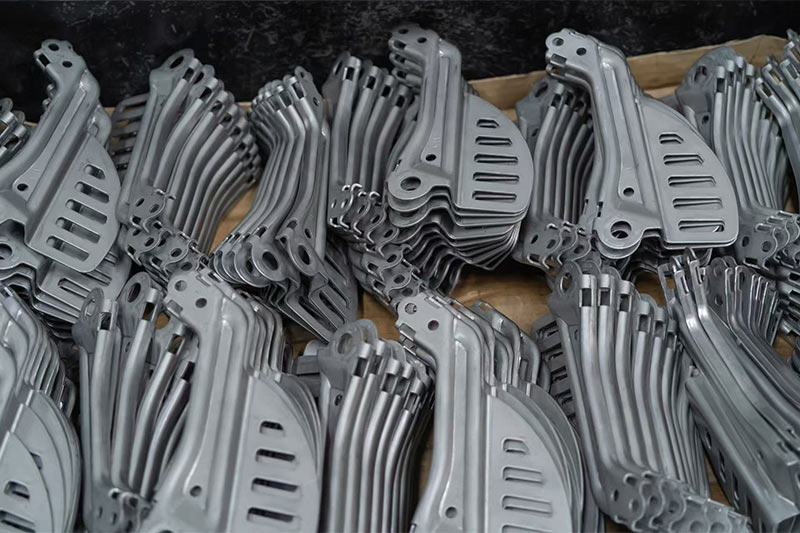
Plating can be applied to a wide range of base materials, including:
- Metals like steel, aluminum, brass, copper, and titanium
- Plastics (when properly pre-treated for surface activation)
- Ceramics or composite materials (for specialized applications)
Working Principle of Metal Plating
The core principle of metal plating involves transferring metal ions onto a substrate. This transfer is achieved through one of two main methods: electroplating or electroless plating. Each has distinct advantages and limitations depending on the application.
Electroplating (Electrochemical Plating)
This method uses electrical current to reduce dissolved metal ions from a solution so that they adhere to the part being plated. It’s one of the most widely used forms of plating in commercial and industrial settings.
Key Components:
- Anode: A sacrificial rod made of the plating metal (e.g., nickel, chromium)
- Cathode: The part being plated
- Electrolyte: A solution rich in metal salts that conducts electricity
- Power Supply: Direct current (DC) is applied to drive the metal ions from the anode to the cathode
Example: In nickel electroplating, a brass connector is submerged in a nickel salt bath. DC current is applied, causing nickel ions to migrate and deposit onto the brass surface.
Electroless Plating (Auto-catalytic Plating)
This is a non-electric plating method that uses a chemical reduction reaction to deposit metal onto a part’s surface. It’s particularly valued for its ability to coat parts uniformly, even in recessed areas or internal cavities.
Key Features:
- No external power source required
- Uniform coating on complex shapes and geometries
- Commonly used metals include nickel and copper
Electroless plating is ideal when uniform thickness is critical or when plating non-conductive substrates like plastics. It’s widely used in electronics, aerospace, and oil & gas applications.
Dive Deeper: Choosing Between Electroplating and Electroless
While both methods aim to deposit a metallic layer, their differences impact practical use. Electroplating excels in high-throughput operations and is relatively cost-effective when working with simple geometries. It also allows for thicker deposits, which are sometimes needed for functional purposes like wear resistance or dimensional restoration.
Electroless plating, on the other hand, is ideal for complex parts or assemblies requiring even coverage without the need for electrical contact. It’s also the preferred method when working with plastics or insulating materials. However, it tends to be more expensive and slower than electroplating, which is a trade-off for its precision and uniformity.
Understanding these fundamentals helps manufacturers choose the right technique for each use case, balancing cost, performance, and production requirements.
Common Types of Metal Plating
Each type of metal plating serves a specific purpose—whether it’s functional, aesthetic, or both. Selecting the right plating method is crucial for achieving optimal performance in your application. Below, I break down the most commonly used plating types, their benefits, and where they’re best applied.
Overview of Popular Metal Plating Types
| Plating Type | Base Material | Key Benefits | Common Applications |
|---|---|---|---|
| Chrome Plating | Steel, Brass | High hardness, wear resistance, corrosion resistance, bright mirror-like finish | Automotive trims, aerospace parts, tools |
| Nickel Plating | Steel, Copper Alloys | Excellent corrosion resistance, good wear resistance, aesthetic appeal | Electronics, connectors, aerospace fasteners |
| Zinc Plating | Steel, Iron | Cost-effective corrosion protection | Bolts, nuts, automotive brackets |
| Gold Plating | Copper, Brass | High electrical conductivity, corrosion and tarnish resistance | High-end electronics, semiconductors, luxury components |
| Silver Plating | Copper, Brass | Excellent electrical and thermal conductivity | RF connectors, medical devices, switching equipment |
| Copper Plating | Metals, Plastics (with prep) | Good conductivity, strong adhesion layer, used as undercoat | PCBs, EMI shielding, decorative items |
| Tin Plating | Copper, Steel | Good solderability, moderate corrosion resistance, food-safe | Electrical terminals, food containers, hardware |
| Cadmium Plating | Steel | Excellent saltwater corrosion resistance | Aerospace bolts, marine fasteners, military equipment (restricted due to toxicity) |
| Electroless Nickel | Steel, Aluminum | Uniform thickness, high corrosion and wear resistance | Precision valves, oil & gas parts, aerospace actuators |

Dive Deeper: Matching Plating to Your Product’s Purpose
In my experience, selecting the right plating type often comes down to a clear understanding of what the part will face in real-world use. For instance, automotive bolts exposed to the elements are best protected with zinc due to its sacrificial corrosion properties. But for a smartphone connector, gold’s unparalleled conductivity and tarnish resistance justify the higher cost.
For moving components like gears or pistons, chrome or electroless nickel can dramatically reduce friction and extend lifespan. Meanwhile, tin plating is commonly chosen for its food-safe properties in the packaging industry. Each of these options provides a unique blend of performance and aesthetics that directly contributes to overall product reliability.
By mapping out the specific demands—whether it’s high-speed wear, salt spray corrosion, electrical transfer, or just a mirror finish—you can zero in on the best plating choice. That’s how I help clients avoid overengineering (and overspending) or choosing coatings that fail prematurely.
Key Metal Plating Methods
Metal plating methods vary significantly in their equipment, coatings, and performance. Here’s a refined breakdown of each technique, including benefits, limitations, and why you might choose one over another for specific applications.
1. Electroplating (Electrochemical Plating)
How It Works: Parts are submerged in a plating bath containing dissolved metal ions. A DC current drives ions from an anode to adhere to the cathode (the workpiece).
- Setup: Requires power supply, plating tank, anode, and agitation system.
- Benefits: Strong adhesion, good coverage, precise thickness control.
- Drawbacks: Requires careful bath chemistry control; hazardous waste handling often necessary.
- Ideal For: High-volume components such as fasteners, hydraulic parts, and electronics connectors.

2. Electroless Plating
How It Works: A chemical reduction process deposits metal (usually nickel or copper) without external current, relying on autocatalytic reactions.
- Uniformity: Coats evenly across complex geometries, blind holes, and internal surfaces.
- Benefits: Excellent corrosion and wear resistance with consistent layer thickness.
- Considerations: Bath maintenance is critical; involves chemical handling and proper filtration.
- Ideal For: Precision parts like valve bodies, aerospace fittings, and electrical contacts.
3. Immersion Plating
How It Works: A displacement reaction deposits a thin metal layer without electricity—typically used for copper or silver.
- Coating Thickness: Self-limiting (often <0.5 µm), making it ideal for thin, uniform layers.
- Use Cases: Pre-treatment step before soldering or subsequent plating, e.g., in PCBs.
- Limitations: Provides only thin, sacrificial layers; not suitable alone for wear protection.
4. Brush Plating (Selective Plating)
How It Works: An electrolyte-soaked brush or pad manually applies metal only where needed, under DC voltage.
- Benefits: Perfect for spot repairs, maintenance, or localized coating without full immersion.
- Common Uses: Aerospace part restoration, rebuilding worn features, selective cosmetic improvement.
- Limitations: Labor-intensive; thickness and finish depend on operator skill.
5. Vapor Deposition (PVD & CVD)
How It Works: Metal ions or vapor are deposited in a vacuum onto parts via physical or chemical vapor processes.
- PVD: Evaporation or sputtering applies hard, thin coatings (e.g., TiN, CrN) with high purity.
- CVD: Chemical vapor reacts on the surface to build coatings like SiC or DLC.
- Benefits: Precision thickness, excellent adhesion, suitable for advanced optical or wear-resistant coatings.
- Limitations: High capital cost, vacuum chamber limits part size and geometry complexity.
- Ideal For: High-value substrates—cutting tools, watch components, optics, wear-resistant parts.
This refined overview ensures you can analyze each plating method based on performance needs, substrate, geometry, and regulatory constraints. If you want detailed considerations—like bath chemistries, typical thicknesses, or environmental controls—just let me know which process you’re focusing on!
Advantages of Metal Plating
Metal plating offers both functional enhancements and aesthetic finishes, making it a versatile choice across industries:

- Enhanced Corrosion & Wear Resistance: Durable coatings like nickel, chromium, and zinc shield parts from oxidation, abrasion, and harsh environments.
- Improved Electrical Conductivity & Solderability: Gold, silver, and tin plating ensure reliable electrical contacts and ease of soldering in electronics.
- Increased Surface Hardness & Reduced Friction: Hard chrome, nickel, and PVD coatings improve load-bearing capability and sliding performance.
- Decorative & Brand Appeal: Glossy chrome, vibrant anodized finishes, and polished plating enhance visual appeal in consumer goods.
- Diffusion Barrier Between Metals: Nickel undercoats prevent galvanic corrosion when dissimilar metals are joined.
- Better Adhesion for Secondary Finishes: Phosphating or zinc coatings improve paint or adhesive bonding on subsequent processes.
Best Practices When Applying Metal Plating
To fully benefit from plating, it’s essential to follow these industry-tested best practices:

- Select Appropriate Plating: Choose coatings based on required mechanical performance, electrical needs, and environmental exposure.
- Prepare Substrates Thoroughly: Clean, degrease, and activate surfaces to ensure defect-free adhesion and coverage.
- Monitor Plating Baths: Regularly test bath chemistry, temperature, and agitation to maintain consistency.
- Control Thickness Precisely: Measure plating thickness with XRF or eddy-current gauges, tailoring to functional requirements (e.g., 5–20 µm for corrosion, tens to hundreds µm for wear).
- Maintain Environmental Compliance: Follow safety protocols around chemicals like hexavalent chromium or cadmium, and dispose of waste per OSHA, REACH, and RoHS.
- Inspect Post-Plating: Check for adhesion (tape test), thickness, surface finish, and potential defects like blisters or peeling.
- Plan for Post-Plating Machining: Account for dimensional changes; grind or hone as needed to meet tight tolerances.
- Document & Trace Processes: Keep batch records, certificate of conformance, and inspection reports — crucial for regulated sectors like aerospace and medical.
Key Considerations When Choosing a Plating Process
Choosing the right metal plating process involves evaluating several technical and operational factors to ensure the coating meets both performance and regulatory requirements.
Plating is not a one-size-fits-all solution—its success hinges on aligning material behavior, coating function, and production context.

Base Material Compatibility
Different base metals react differently to plating processes. For instance, aluminum must undergo surface activation or zincate treatment before electroplating, while plastics require etching and seeding to accept metal layers.
Desired Functional Properties
Define whether the primary goal is corrosion protection, electrical conductivity, hardness, or wear resistance. For instance, nickel offers excellent wear and corrosion resistance, while gold is superior for conductivity and oxidation resistance in electronics.
Environmental Exposure
Understand the operational conditions the part will face. Marine environments demand high-salt resistance (e.g., cadmium or electroless nickel), while high-friction or abrasive conditions benefit from hard chrome or PVD coatings.
Coating Thickness Requirements
| Application | Typical Thickness | Comments |
|---|---|---|
| Decorative Chrome | 0.1–0.3 µm | Thin, aesthetic layer |
| Hard Chrome | 20–500 µm | High wear resistance |
| Electroless Nickel | 2.5–50 µm | Uniform thickness on complex shapes |
Production Volume & Cost
Electroplating excels in high-throughput operations with automated lines, reducing per-unit cost. Electroless plating is preferred for small batches or complex parts due to its uniformity without requiring complex racking or masking.
Regulatory and Safety Compliance
Certain coatings (e.g., cadmium, hexavalent chromium) are highly effective but face restrictions due to toxicity and environmental impact. Always verify your coating complies with regional standards like RoHS (EU), REACH, or OSHA (USA).
Applications Across Industries
Metal plating is a versatile finishing solution used across a broad range of industries to enhance surface performance, corrosion resistance, and functionality. Here’s how different sectors apply plating technologies to meet specific needs:
- Automotive:
- Bumpers – decorative chrome for visual appeal
- Pistons & brake components – hard chrome for wear resistance
- Fasteners – zinc plating for corrosion protection
- Electronics:
- Circuit boards & connectors – gold and silver plating enhance conductivity and solderability
- Semiconductor components – nickel or copper under-layers improve adhesion and prevent oxidation
- Aerospace:
- Hydraulic fittings & turbine blades – wear-resistant plating like hard chrome
- Landing gear – corrosion-protective coatings such as electroless nickel
- Medical:
- Surgical tools – electropolishing and passivation for biocompatibility
- Implants – silver and gold plating ensure corrosion resistance and tissue compatibility
- Defense:
- Firearms components – hard chrome for reduced wear and friction
- Radar and armor parts – specialized coatings for durability and environmental resistance
- Oil & Gas:
- Drill bits and pump parts – corrosion-resistant coatings extend service life
- Anti-corrosive surface layers – critical for offshore and high-pressure applications

This broad applicability demonstrates how tailored plating solutions support product longevity, regulatory compliance, and functional performance across demanding environments.
Expert Insight from Onlyindustries
At Onlyindustries, we believe successful plating begins with understanding the unique function of each part—not just its appearance. Every substrate behaves differently under environmental and mechanical stress. That’s why our engineering team works closely with clients to:
- Identify material-plating compatibility issues early in the design phase
- Ensure the plating layer thickness supports functional needs like conductivity or wear resistance
- Recommend process sequences (e.g., nickel underlayer before chrome) for improved adhesion
- Verify compliance with industry-specific standards like RoHS, REACH, or medical-grade ISO 13485
Many clients come to us with assemblies that combine metals like aluminum, steel, and brass. Without proper planning, differential expansion, plating mismatch, or galvanic corrosion can compromise the entire product. Our DFM (design for manufacturability) reviews include these considerations to avoid costly reworks or failures.
Whether you’re sourcing high-gloss chrome for display or electroless nickel for precision mechanical parts, Onlyindustries ensures your plating process adds value—not problems.
Conclusion
Metal plating is far more than an aesthetic upgrade—it’s a strategic engineering tool that can define the reliability, longevity, and performance of your components. From enhancing corrosion resistance to enabling electrical conductivity or precise wear protection, the right plating process delivers real value at every stage of a product’s lifecycle.
As a manufacturer, understanding plating options—from electroplating to electroless methods, and materials like nickel, chrome, or gold—lets you balance cost, compliance, and functionality. The smallest oversight in process selection can lead to delamination, premature failure, or non-compliance with industry regulations.
At Onlyindustries, we partner with clients to match the best plating solution to their design and performance goals. Whether you’re developing medical implants, aerospace fasteners, or high-end consumer hardware, we provide full-scope support—from material selection to post-processing QC.
Let us help you engineer reliability into every layer of your product—starting with the surface.