Skip to content
Medical device manufacturing is a highly regulated, precision-driven industry focused on producing safe, effective, and reliable tools, implants, and instruments for diagnosing, treating, and preventing diseases. Whether it’s a simple surgical tool or a complex implantable device, every stage of production requires stringent control, advanced technology, and industry compliance.
What Is Medical Device Manufacturing?
Developing life-saving tools demands more than just creativity—it requires precision, compliance, and a deep understanding of patient safety.
Medical device manufacturing refers to the end-to-end process of designing, developing, and producing instruments and machines used in medical care. These devices support diagnosis, treatment, surgery, monitoring, and rehabilitation. This manufacturing discipline covers a wide range of items—from simple tools like scalpels to complex Class III implantable devices such as pacemakers or joint replacements.

To be effective, this manufacturing process must integrate strict regulatory guidelines, advanced production methods, and robust quality systems. Unlike traditional consumer products, medical devices undergo rigorous testing, validation, and documentation to ensure patient safety and regulatory compliance. Success in this field hinges on the collaboration between engineers, regulatory specialists, machinists, and quality control experts.
Key Features of Medical Device Manufacturing
- Regulatory Integration: All stages—design, prototyping, and production—must align with standards like ISO 13485 and FDA 21 CFR Part 820.
- Precision Fabrication: CNC machining, injection molding, and additive manufacturing allow tolerances within microns—critical for implantables and surgical tools.
- Biocompatibility Focus: Materials such as titanium, PEEK, and 316L stainless steel are chosen not just for mechanical properties but also for patient safety.
- Validation Protocols: Each step requires documented risk analysis, design verification, and process qualification (IQ, OQ, PQ).
Ultimately, medical device manufacturing isn’t just about creating physical components—it’s about ensuring that each part contributes to improved patient care, meets global regulatory standards, and is produced with unwavering consistency.
Classification of Medical Devices
Different devices carry different risks—and that determines how they’re regulated and manufactured.
Medical devices are classified into three main categories based on their intended use and potential risk to patient safety. These classifications guide everything from design documentation to regulatory submissions, clinical trials, and production protocols.

The risk level determines how much regulatory oversight is required. Class I devices are generally low-risk and may not require pre-market approval, whereas Class III devices are high-risk and must undergo rigorous clinical validation. Understanding this structure is essential for proper resource allocation and timeline management during product development.
Medical Device Classification Table
| Class | Risk Level | Examples | Regulatory Requirements |
|---|---|---|---|
| Class I | Low | Bandages, surgical drapes, examination gloves | General controls, minimal documentation, often exempt from premarket notification |
| Class II | Moderate | Infusion pumps, powered wheelchairs, surgical gloves | General and special controls, typically requires 510(k) clearance |
| Class III | High | Pacemakers, heart valves, orthopedic implants | Premarket approval (PMA), clinical trials, full design and risk documentation |
Why Classification Matters
- Design Controls: Higher classes require more formal design inputs, outputs, verification, and validation.
- Testing: Class II and III devices often need bench testing, animal studies, or human clinical trials.
- Manufacturing Standards: Manufacturing processes and materials for Class III devices must comply with rigorous quality and traceability systems.
By aligning your device with the correct classification from the outset, you can streamline regulatory approval and avoid costly redesigns or delays down the road.
Common Manufacturing Processes
Medical device production relies on a diverse set of manufacturing techniques—each suited to specific material types, complexity, and regulatory requirements. Selecting the right method ensures precision, biocompatibility, and cost-efficiency.
1. CNC Machining
- Use: High-precision components including surgical tools, implantable frames, and guide fixtures.
- Materials: Titanium, stainless steel (e.g., 316L), PEEK, medical-grade polymers.
- Advantages: Exceptional dimensional accuracy (±0.01 mm), repeatability, and material traceability.

2. Injection Molding
- Use: Disposable and semi-disposable parts such as syringe bodies, connectors, or pump components.
- Materials: Medical-grade ABS, PC, PE, and other sterilizable plastics.
- Advantages: Efficient for large-volume production with tight tolerances and consistent geometry.
3. 3D Printing / Additive Manufacturing
- Use: Patient-specific implants, anatomical models, surgical guides, and complex micro-architectures.
- Materials: Biocompatible resins, nylon, titanium powder.
- Advantages: Design freedom, rapid iteration, and customization for unique anatomical requirements.
4. Laser Cutting & Welding
- Use: Production of thin-walled tubing, catheters, stents, and hermetic enclosures.
- Advantages: High precision with minimal thermal impact, suitable for fine control in assemblies.
5. Metal Forging & Stamping
- Use: Structural and load-bearing components like orthopedic joints, prosthetic parts, and implant bases.
- Advantages: Enhanced mechanical strength through grain flow, ideal for high-load applications.
Each method must comply with strict standards for biocompatibility, process validation, and traceability—essential prerequisites for ISO 13485 and FDA approval processes. Understanding the strengths and limitations of each process empowers better design-for-manufacturing decisions and smoother regulatory pathways.
Material Selection in Medical Devices: How Do You Choose the Right One?
Choosing the right material is critical to ensuring device safety, performance, and compliance.
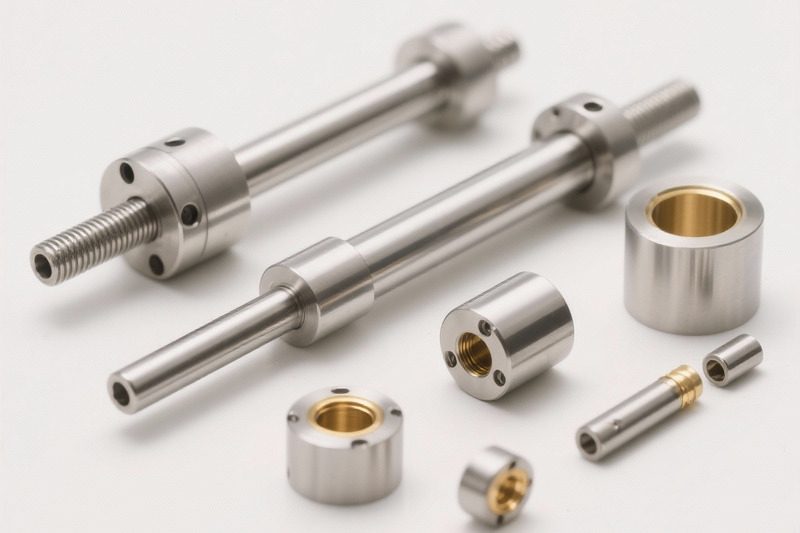
Material selection in medical device manufacturing balances mechanical performance, biocompatibility, sterilization tolerance, and regulatory approval.
Understanding Key Material Requirements
Selecting materials for medical devices isn’t just about strength or cost. These components must meet rigorous criteria:
| Requirement | Description |
|---|---|
| Biocompatibility | Materials must not cause adverse reactions in the human body (ISO 10993 testing). |
| Mechanical Strength | Devices must withstand physical stress, impact, and wear based on their application. |
| Sterilization Resistance | Materials must tolerate autoclaving, gamma radiation, or chemical sterilization without degrading. |
| Regulatory Acceptance | Commonly approved materials simplify FDA and CE certification. |
Common Materials and Their Applications
Here’s a breakdown of widely used materials in medical manufacturing:
| Material | Applications | Properties |
|---|---|---|
| Titanium | Bone screws, orthopedic implants | Biocompatible, strong, lightweight, corrosion-resistant |
| 316L Stainless Steel | Surgical instruments, implant tools | Highly durable, easy to sterilize, cost-effective |
| PEEK (Polyether ether ketone) | Spinal implants, orthopedic instruments | Radiolucent, thermally stable, excellent wear resistance |
| Silicone | Catheters, seals, tubing | Flexible, chemically inert, soft and biocompatible |
| Polycarbonate | Device housings, transparent components | Impact-resistant, clear, easily sterilizable |
Expert Material Selection Tips
- Always involve your regulatory team when selecting materials to align with device class and region-specific rules.
- For implantable parts, prioritize ISO 10993 or USP Class VI certified materials.
- Simulate real-world mechanical and environmental conditions during testing to validate your choice.
- Consider how the material will respond to different sterilization cycles, especially for reusable devices.
DFM Insight: Match Design to Material
Not all materials machine the same. When working with CNC, avoid underestimating:
- The difficulty of machining PEEK due to its low thermal conductivity.
- Titanium’s tendency to gall without proper tooling and coolant.
- How silicone’s elasticity makes it challenging for precise molding without specialized tooling.
With the right guidance, these challenges can be minimized—saving time and avoiding costly revisions.
Quality & Regulatory Requirements in Medical Device Manufacturing
Ensuring quality and meeting regulatory standards is non-negotiable in medical device production. Every step—from raw material to finished product—must align with rigorous industry protocols to ensure patient safety and market approval.
Key Regulatory Standards
- ISO 13485: Specifies requirements for a quality management system tailored to medical devices, including risk management and traceability.
- FDA 21 CFR Part 820: The U.S. Quality System Regulation mandates design controls, process validation, and production oversight.
- EU MDR (EU Medical Device Regulation): Enforces CE marking, clinical evaluation, and post-market vigilance across the European market.
Documentation & Traceability
Every device must maintain an unbroken chain of documentation, including:
- Device Master Record (DMR): Includes design files, BOM, process specifications.
- Device History Record (DHR): Records actual production data, batch numbers, operator logs, and inspections.
- Material Certificates: Provide proof of biocompatibility and batch traceability to raw materials.
- Inspection & Test Records: Document dimensional verification, functional testing, and release approvals.
Validation & Verification Processes
- Design Controls: V&V activities ensure the device meets user needs and intended uses before commercialization.
- Process Validation (IQ/OQ/PQ): Verifies machines and processes operate correctly under all conditions.
- Software Validation: Required for any digital or firmware-driven device functions.
Testing & Inspection Requirements
| Test Type | Purpose |
|---|---|
| Dimensional Inspection | Ensures parts meet tight CNC tolerances using tools like CMM and calipers. |
| Material Testing | Validates tensile strength, fatigue behavior, and sterilization resistance. |
| Sterilization Validation | Confirms device integrity post-autoclave, EtO, gamma, or E-beam treatment. |
| Functional Testing | Simulates real-world use, including mechanical, electrical, and ergonomic performance. |

Cleanroom & Environmental Controls
Many devices are produced in controlled environments:
- ISO Class 7+ cleanrooms to ensure particulate control.
- Strict humidity and temperature monitoring to maintain material stability.
- Procedures like gowning, sterilization, and equipment qualification to prevent contamination.
Post-Market Surveillance
- Complaint Handling: Systematically tracks device performance and field issues.
- CAPA (Corrective & Preventive Actions): Framework for resolving defects and improving processes.
- Reporting Obligations: Timely notifications to regulatory bodies for serious incidents.
Final Note
Complying with rigorous quality and regulatory standards isn’t optional—it’s essential. From traceability and validation to test protocols and cleanroom operations, a well-documented quality system ensures device safety, regulatory approval, and sustained market success.
Cleanroom Manufacturing & Sterility
Manufacturing medical devices within controlled environments is essential to prevent contamination and ensure patient safety. Here’s a detailed breakdown of cleanroom operations and sterility protocols:

Cleanroom Classification & Control
- ISO Cleanroom Classes:
- ISO Class 5–7 are common for implantable devices or surgical instruments.
- Air changes range from 240–60 times/hour depending on class.
- Particle monitoring ensures limits like ≤ 3,520 particles ≥0.5 µm per m³ in Class 7.
- Environmental Monitoring: Continuous measurement of temperature, humidity, and pressure differentials to maintain aseptic integrity.
- Gowning Procedures: Multi-stage gowning—covering shoes, hair, face, and body—minimizes human-sourced contamination.
Sterile Manufacturing Practices
- Equipment Qualification: IQ/OQ/PQ protocols for cleanroom machinery, autoclaves, and sterilizers.
- Material Handling: Inward flow through airlocks with HEPA filtration to prevent cross-contamination.
- Single-use & Disposable Supplies: Use of sterile gloves, covers, and consumables to eliminate particle build-up.
- Cleaning Regimen: Routine disinfection with FDA-approved agents and periodic deep-cleaning cycles.
- Personnel Training: SOPs for aseptic technique, contamination control, and emergency protocols.
Sterilization Methods & Validation
- Common Sterilization Techniques:
- Steam (autoclave), EtO gas, Gamma irradiation, E-beam—all selected based on material compatibility.
- Validated dosing ensures ≥10⁶ reduction in BI (biological indicator) spores.
- Batch Traceability: Sterility indicators, sterilizer logs, and cycle parameters recorded in Device History Records (DHR).
- Residence Time & Monitoring: Ensure correct exposure durations and conditions, with daily verification records.
Post-Sterilization Controls
- Integrity Testing: Packaging and barrier integrity validated via bubble leak or dye penetration tests.
- Environmental Release Testing: Air and surface quality checked after sterilization cycles before product release.
- Out-of-Spec Management: CAPA procedures triggered by sterilization failures or contamination events.
Key Takeaway
Cleanroom environments and validated sterilization processes are fundamental to medical device manufacturing. These controls prevent contamination, support regulatory compliance, and safeguard patient health—forming the backbone of product quality and trust.
Design for Manufacturability (DFM) in Medical Devices
Effective DFM strategies are essential in medical device development to reduce production costs, minimize errors, and ensure timely regulatory approval. Let’s dive into how engineers and manufacturers collaborate to optimize device design for scalable, compliant production.
Minimizing Complexity in Component Design
- Limit Tight Tolerances: Apply critical tolerances only to functional features. Over-tolerancing increases cost and inspection requirements.
- Standardize Geometries: Use common hole sizes, threads, and radii that align with off-the-shelf tools and gauges.
- Avoid Undercuts and Deep Cavities: These features complicate machining and molding, driving up tooling and inspection costs.
Material Optimization
- Select Machinable, Biocompatible Materials: Use FDA-accepted materials like PEEK, titanium, and medical-grade stainless steels that are both easy to machine and compliant.
- Substitute High-Cost Materials: Where feasible, switch to alternatives that offer similar performance but lower cost and easier processing.

Assembly and Validation Simplification
- Reduce Part Count: Consolidate functions where possible to simplify procurement, inventory, and assembly validation.
- Design for Snap-Fit or Ultrasonic Welding: These assembly methods eliminate screws or adhesives, reducing manual labor and validation complexity.
DFM Collaboration and Prototyping
- Early Involvement of Manufacturing Partners: DFM reviews with CNC, molding, and regulatory experts during concept and prototype stages catch issues before production.
- Iterative Prototyping: Leverage CNC and 3D printing to quickly test manufacturability and adjust designs based on real-world performance.
Validation Considerations
- Design for Validation (DFV): Simplify process validation by ensuring part consistency. Eliminate features that are hard to measure or prone to variation.
- FMEA Integration: Incorporate Failure Mode and Effects Analysis to identify critical control points in the manufacturing process.
Key Takeaway
DFM in medical device manufacturing isn’t just about saving money—it’s about building safer, more reliable products that pass regulatory scrutiny with minimal delay. A smart DFM strategy aligns design, process capability, and compliance from day one.
Challenges in Medical Device Manufacturing
Every stage of medical device manufacturing demands a balance between precision, compliance, speed, and innovation. While the stakes are high, so are the challenges that engineers and manufacturers must overcome to bring safe and effective devices to market.
1. Navigating Regulatory Complexity
The medical industry is governed by strict global regulations such as FDA 21 CFR Part 820, ISO 13485, and EU MDR. These frameworks demand exhaustive documentation, traceability, and risk management at every stage.
- Challenge: Varying requirements across global markets can delay approval timelines.
- Solution: Establish early engagement with RA/QA teams, implement a Design History File (DHF), and align documentation with international standards from the start.
2. Ensuring Supply Chain Consistency
Medical devices require traceable, validated materials and components. Any change in vendor or specification can trigger revalidation, risking delays and added costs.
- Challenge: Disruptions or variations in component sourcing can halt production or cause compliance issues.
- Solution: Use approved vendor lists, implement dual sourcing strategies, and qualify suppliers under ISO 13485 guidelines.
3. Precision and Repeatability
High-precision parts are critical in devices like implants and diagnostic tools. However, small tolerances and complex geometries can increase rejection rates without proper equipment and controls.
- Challenge: Achieving micron-level accuracy with consistent results across production lots.
- Solution: Leverage high-end CNC machines, robotic automation, and in-process metrology tools like CMMs and laser scanners.

4. Accelerating Time to Market
Innovative medical devices must move quickly from prototype to market to stay competitive. Yet regulatory approvals, material validations, and process qualifications often cause delays.
- Challenge: Lengthy development cycles and validation bottlenecks.
- Solution: Adopt parallel validation workflows, use rapid prototyping (CNC or 3D printing), and maintain pre-validated components and materials.
5. Data and Documentation Integrity
Device manufacturers must maintain full traceability from raw materials to end product, including inspection, calibration, and batch records.
- Challenge: Managing data across diverse teams, suppliers, and systems.
- Solution: Implement ERP/MES software with digital audit trails and electronic document management systems (EDMS).
Key Takeaway
Medical device manufacturing is not just about precision — it’s about control. Overcoming these challenges demands technical expertise, regulatory foresight, and process discipline. Companies that embed risk-based thinking and cross-functional collaboration into their operations are better positioned to succeed in this demanding market.
Real‑World Applications
Medical device manufacturing impacts nearly every corner of healthcare — from operating rooms and diagnostic labs to outpatient clinics and home care. The diversity of device types underscores the industry’s vast technological and clinical reach.
Understanding where and how medical devices are used helps engineers, designers, and procurement teams make informed choices about materials, tolerances, and manufacturing methods.
Orthopedics
Orthopedic devices require biocompatibility, strength, and long-term reliability under mechanical stress. Common components include:
- Bone Plates and Screws: Typically CNC machined from titanium or stainless steel for superior corrosion resistance and strength.
- Knee and Hip Implants: Often forged or cast, then precision-machined and polished to ensure fit and durability.
Cardiovascular Devices
These critical devices demand miniaturization, flexibility, and perfect dimensional accuracy. Examples include:
- Stents: Laser-cut from Nitinol or stainless steel and electropolished for smooth, burr-free edges.
- Pacemaker Housings: CNC machined titanium enclosures that are hermetically sealed and biocompatible.
- Heart Valve Tools: Precision instruments used for placement and testing of valve implants.
Diagnostic Instruments
Diagnostics require robust plastic and metal housings, fluid control systems, and optical or electronic integration. Common devices include:
- MRI Components: Non-magnetic aluminum or plastic parts made with tight EMC control standards.
- Blood Analyzers: Injection-molded components integrated with CNC-machined test chambers or flow cells.
- PCR Cartridges: High-precision disposable plastic parts produced via micro-injection molding or 3D printing.
Surgical Tools
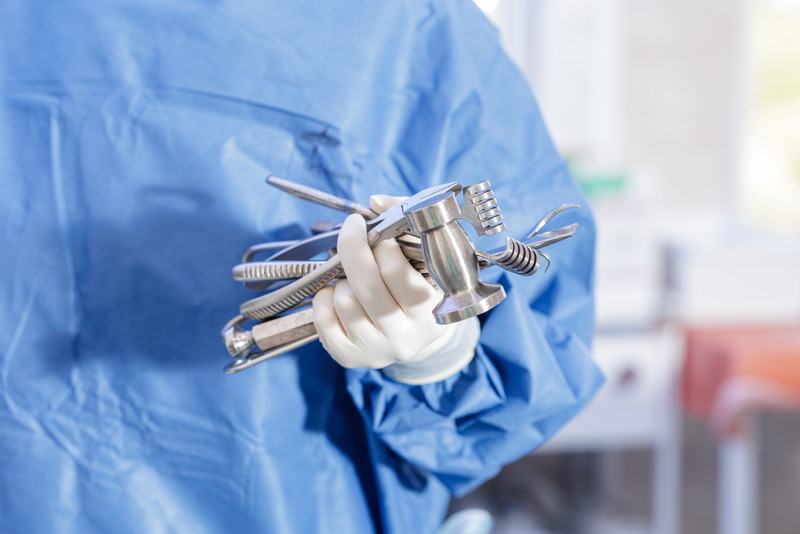
Durability, sterilizability, and ergonomics are paramount in surgical devices. Examples include:
- Forceps and Scalpels: Forged and CNC machined stainless steel tools with precision ground edges.
- Endoscopic Instruments: Complex assemblies involving machined tubes, plastic handles, and flexible tips.
Dental Devices
Dental products demand tight tolerances, cosmetic finish, and high wear resistance. Examples include:
- Orthodontic Braces: Small stainless steel or ceramic brackets machined and polished for comfort and aesthetics.
- Implant Posts: CNC machined titanium screws designed for osseointegration and long-term use.
Takeaway
Real-world applications highlight the spectrum of performance and compliance required across device categories. Whether the need is for a rugged orthopedic implant or a high-volume diagnostic cartridge, the choice of manufacturing method and material directly affects device performance and regulatory approval.
Why Choose Onlyindustries for Medical Device Components?
Medical device manufacturing isn’t just about making parts — it’s about trust, traceability, and technical excellence. That’s why partnering with the right supplier can dramatically affect the success of your device in both development and market deployment.
At Onlyindustries, we combine engineering experience, regulatory fluency, and production versatility to support every stage of your medical device lifecycle — from prototyping to high-volume production.
Engineering-Led Approach
Our team of skilled engineers collaborates directly with your design and procurement teams to optimize parts for manufacturability and compliance. We help you:
- Refine tolerances to reduce costs while preserving function
- Select biocompatible and sterilizable materials
- Adjust designs for CNC machining, molding, or stamping processes
Cleanroom-Compatible Processes
We understand the critical role cleanliness plays in medical manufacturing. Our production environment meets the standards required for:
- Surgical instruments and implant components
- Diagnostic device assemblies
- Disposable and reusable product lines
We also offer cleanroom packaging and pre-sterilization support on request.
Documentation & Regulatory Alignment
We deliver comprehensive manufacturing documentation that simplifies audits and accelerates your pathway to FDA, CE, or ISO compliance:
- Full traceability for materials and processes
- DFM reports and PFMEAs
- Validation data: IQ/OQ/PQ support
- RoHS/REACH certificates and Material Safety Data Sheets (MSDS)
Rapid Prototyping & Scalable Production
With advanced CNC machining and forming capabilities, we produce fully functional prototypes in 45 days — ready for verification testing or early clinical trials. When you’re ready to scale, we support seamless transition to mass production:
- Flexible MOQs to meet project needs
- Automated quality control systems
- Stable lead times and cost forecasting
Industries Served
Our medical manufacturing clients include leaders in orthopedics, surgical tools, diagnostics, cardiovascular systems, and dental technologies. We are experienced in producing:
- Titanium bone screws and orthopedic implants
- PEEK spinal cages and connectors
- Machined and formed stainless steel surgical blades
Let’s Build Better Devices — Together
Onlyindustries is more than a contract manufacturer — we’re your strategic partner in delivering innovation, reliability, and compliance. Our vertically integrated services save time, reduce costs, and increase your confidence at every phase of the medical device development cycle.
Conclusion
Medical device manufacturing demands more than precision — it requires accountability, compliance, and technical foresight. Every implant, diagnostic tool, and surgical component must meet the highest standards for safety, function, and reliability.
Throughout this guide, we’ve explored how materials, processes, regulatory frameworks, and quality systems work together to bring medical innovations to life. From choosing biocompatible materials to optimizing cleanroom workflows and designing for manufacturability, each step in the manufacturing chain is crucial for device performance and patient outcomes.
At Onlyindustries, our approach is grounded in a decade of experience and built around the needs of medical OEMs — speed, traceability, compliance, and trust. Whether you’re scaling a validated product or prototyping a new concept, we ensure every part is manufactured to spec, supported by documentation, and ready for regulatory inspection.
Key Takeaways
- Precision Manufacturing: CNC, molding, and forging for tight tolerances and robust performance
- Material Expertise: Titanium, stainless steel, PEEK, silicone, and medical-grade polymers
- Regulatory Support: ISO 13485, FDA QSR, CE MDR documentation and compliance
- Cleanroom Capabilities: Class 7–8 environments with sterilization-ready packaging
- Scalable Production: From early prototypes to validated mass production with DFM consultation
The path from concept to clinic is never easy, but with a qualified manufacturing partner, you can innovate confidently and deliver care that transforms lives.
Ready to Bring Your Medical Device to Life?
Your vision for next-generation medical devices deserves a manufacturing partner that understands regulatory demands, tolerances that leave no room for error, and speed-to-market without compromising quality.
At Onlyindustries, we don’t just machine parts — we collaborate with your engineering, QA, and sourcing teams to deliver components that are functional, compliant, and ready for clinical deployment. Whether you need five precision titanium implants for early testing or 50,000 molded housings for a device rollout, we have the technical depth and production scale to support your goals.
What You Get with Onlyindustries
- Fast Prototyping: Functional samples in as fast as 30–45 days
- Certified Quality Systems: ISO 13485, FDA-compliant processes, full traceability
- Cross-Process Capabilities: CNC machining, injection molding, stamping, forging, finishing
- DFM + RA/QA Guidance: Built-in support for manufacturability, sterilization, and documentation
- End-to-End Supply Chain: From raw material sourcing to custom packaging and global logistics
Need a quote or consultation? Our medical engineering team is ready to evaluate your drawings, suggest improvements, and turn them into production-ready components. Send us your RFQ, and let’s take the next step — together.