Skip to content
In precision manufacturing, undercuts present unique challenges and demand careful consideration in both design and machining. Whether you’re producing molds, dies, or complex mechanical components, understanding undercut machining is essential for ensuring functional parts without compromising manufacturability or cost.
What Is an Undercut?
Undercuts often create headaches in precision machining—but they’re essential for many engineered parts. These features are recessed areas that a standard tool can’t reach from a single direction, usually hidden beneath or behind an obstructing surface. Without proper strategy, undercuts can cause machining delays, tool breakage, or even unusable parts.
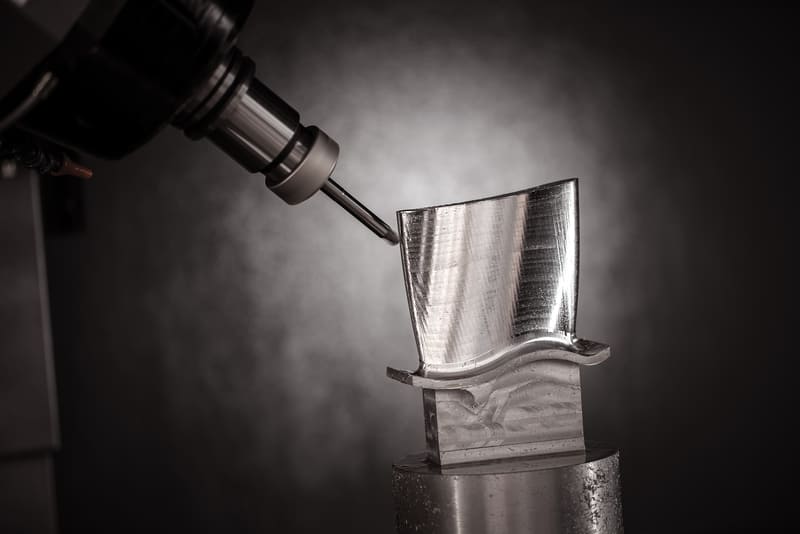
Simply put, an undercut is a feature that interrupts a component’s normal geometry in such a way that it can’t be machined using straight-line tool paths. Instead, these require angled approaches, special tool profiles, or non-traditional processes to create accurately.
Undercuts are common in a variety of industries and serve important functional purposes:
- Mold cavities – provide retention features or allow for part ejection
- Internal grooves or recesses – retain rings, seals, or hardware
- Side holes or reliefs – improve fit or reduce stress concentration
- Thread reliefs – ensure clean thread termination and assembly clearance
- Keyways or T-slots – enable sliding, locking, or indexing of parts
Why Are Undercuts a Challenge?
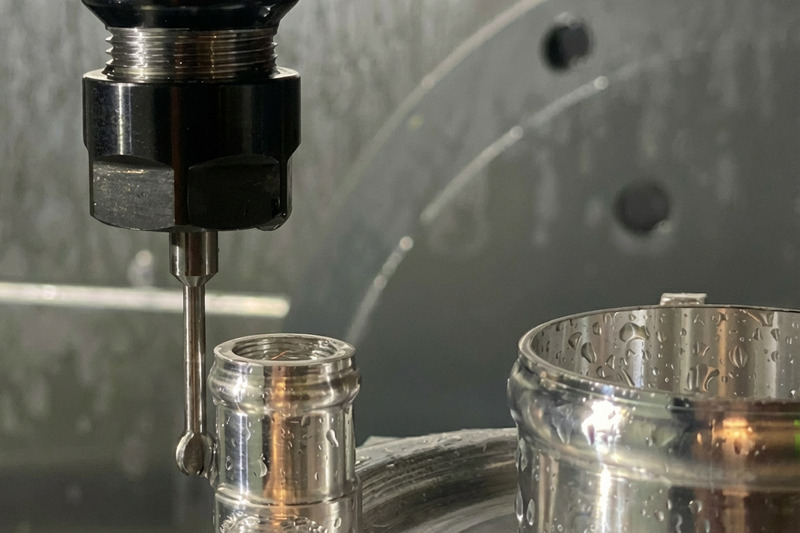
Traditional CNC tools cut along a single axis—typically vertically or horizontally. Undercuts, by contrast, require either multi-axis approaches or specialized cutters (like lollipop or T-slot tools) to machine hidden or reverse-angle areas. The deeper or narrower the undercut, the more difficult it becomes to maintain tool rigidity and part accuracy.
Are Undercuts Always Bad?
Not necessarily. When designed and machined properly, undercuts can dramatically improve a product’s function. However, they should be used deliberately. In prototyping and small-batch CNC jobs, avoiding undercuts when possible is often the best way to keep costs and lead times in check.
Common Types of Undercuts
Undercuts vary widely in shape and function. Some are structural, while others provide mechanical locking or clearance for assembly. The type of undercut you choose can have a major impact on both the design performance and manufacturability of the part.
Below is a breakdown of the most commonly encountered undercut geometries, along with their typical applications:
| Type | Description |
|---|---|
| T-Slot Undercut | A groove shaped like an inverted “T”. Commonly used in machine tables or fixtures to allow parts to slide and lock securely into place. |
| Dovetail Undercut | Angled internal groove that locks components together. Used in mechanical slides, tool holders, or assemblies where angular locking is essential. |
| Groove Undercut | Annular recess typically found on shafts to seat retaining rings or seals. It prevents axial movement or allows for secure seating of O-rings. |
| Thread Relief | A small clearance cut at the end of threaded features to allow full-depth threading and prevent tool drag during machining or assembly. |
| Internal Undercut | Hard-to-reach internal recesses found inside bores or cavities, often inaccessible with standard tools or straight-line approaches. |
Design Insight: Choose Wisely
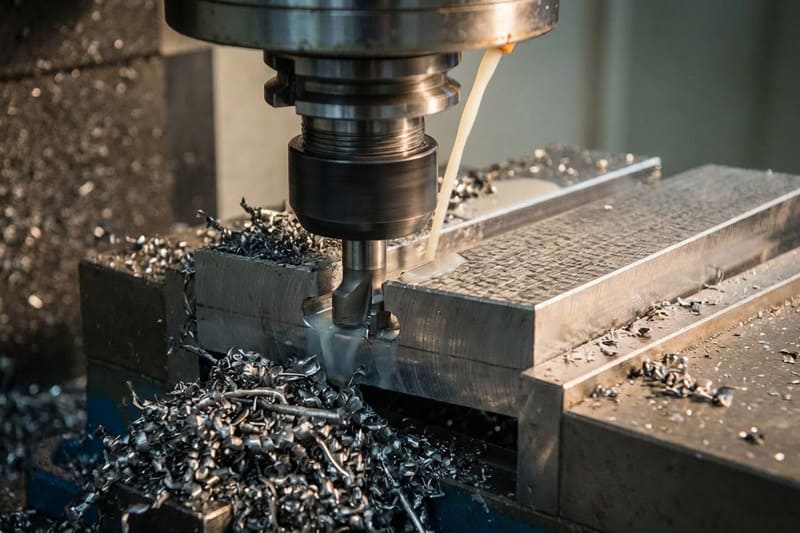
While undercuts are useful, each type presents different challenges. For instance, T-slots and dovetails usually require custom tooling or multi-axis setups, while groove or thread reliefs can be achieved with standard grooving tools. Understanding the tradeoffs between function and manufacturability can lead to smarter design decisions—and significant cost savings.
How Are Undercuts Machined?
Undercuts can’t be achieved through conventional machining alone. Instead, they require tailored approaches, often involving specialized tools or advanced CNC systems. Choosing the right method depends on the complexity, size, and material of the component.
Specialized Undercut Tools
These tools are essential for producing specific undercut geometries but must be applied with precision due to limitations in rigidity:
- Lollipop Cutters: Round-headed tools ideal for accessing deep or recessed grooves within cavities.
- Dovetail Cutters: Create trapezoidal features, commonly used in dovetail slots or slide fits.
- T-Slot Cutters: Designed to mill inverted T-shaped profiles, ideal for machine fixtures or guide rails.
- Grooving Tools: Applied in lathe setups for producing external or internal ring grooves, snap-ring seats, or shaft features.
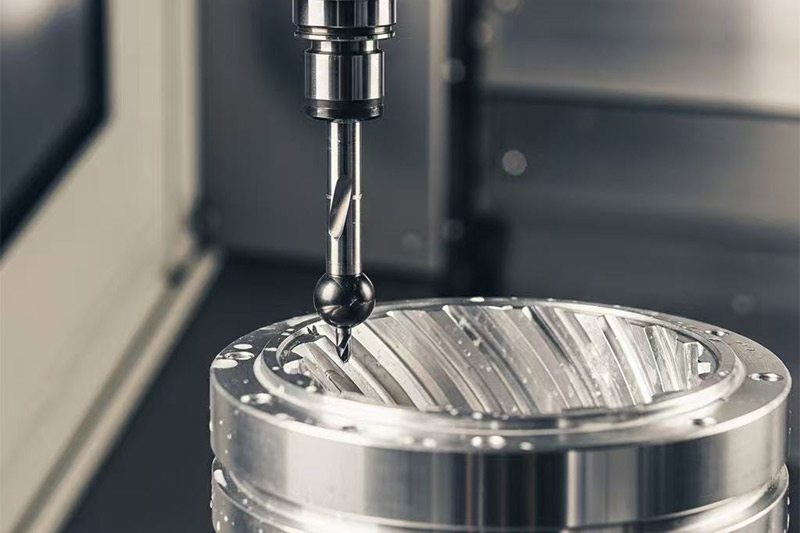
Caution: These tools often have long, slender geometries, increasing the risk of deflection and chatter. Slower feeds and rigid setups are essential.
Multi-Axis CNC Machining (4-Axis / 5-Axis)
Multi-axis CNC enables the spindle or table to pivot, granting access to angles unreachable with traditional 3-axis machines. This is ideal for:
- Aerospace parts with internal cavities
- Complex mold tooling with varied angles
- Components with features along non-linear paths
Advantage: Fewer setups, higher precision, and better surface quality—especially for deep or oblique undercuts.
Electrical Discharge Machining (EDM)
EDM techniques like Wire EDM and Sinker EDM are non-contact and ideal for hard materials or highly intricate geometries. Applications include:
- Mold inserts with deep, sharp-edged recesses
- High-strength tool steels or hardened components
- Micro-scale or tight-tolerance internal features
While EDM is slower and often more expensive, it eliminates mechanical tool access issues, making it indispensable for complex undercut designs.
Conclusion: Choose the Right Machining Strategy
Each undercut machining approach has its strengths and trade-offs. For high-volume production of simple undercuts, specialized tools are cost-effective. For complex geometries or hard-to-reach areas, multi-axis CNC or EDM provides the precision and flexibility needed for quality results.
Design Considerations for Undercuts
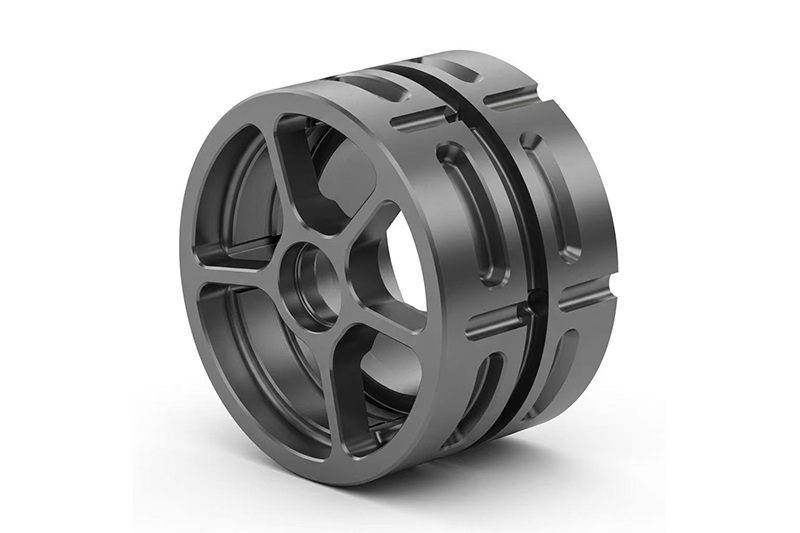
Undercuts may enhance part functionality, but they also introduce machining challenges. Thoughtful design can significantly reduce production complexity and cost, making it easier for machinists to deliver consistent results.
Minimize Undercuts
Whenever possible, I aim to avoid undercuts unless they’re absolutely necessary for assembly or function. Simplifying geometry eliminates the need for complex setups and specialized tools, which can drive up cost and lead times.
Tool Clearance Access
Tool access is a critical constraint. If the undercut is inevitable, I ensure the surrounding geometry allows for tool entry and exit. Adding chamfers, angled walls, or reliefs helps avoid collisions and ensures smoother toolpaths.
Thread Reliefs
In threading operations, thread reliefs are more than just clean exits—they ensure the cutting tool doesn’t bind at the end of a thread. I always add this minor undercut at the end of threaded regions to improve part quality and machinability.
Drawing Clarity
Communication with machinists starts with clear engineering drawings. I make sure to:
- Use sectional views to visualize hidden features
- Annotate undercuts per ISO 6410 or ASME Y14.5 standards
- Label thread reliefs, T-slots, or dovetails explicitly
This helps eliminate confusion during quoting, setup, or inspection—and saves time on the shop floor.
Conclusion: Design for Manufacturability
Strategically designed undercuts not only meet functional needs but also reduce machining complexity. I always review each feature’s necessity, tool accessibility, and drawing clarity to balance performance with cost and practicality.
Impact on Manufacturing Cost
Undercuts don’t just complicate design—they can significantly raise the total manufacturing cost if not carefully planned. I’ve learned that every additional setup, tool, or inspection step adds time, risk, and expense.
Cost-Driving Factors of Undercuts
| Factor | Cost/Time Impact |
|---|---|
| Tooling complexity | ⬆ Special cutters like lollipop, dovetail, or T-slot tools are often required. EDM setups can also be costly. |
| Setup time | ⬆ Multiple setups or advanced CNC programming (like 5-axis interpolation) increases labor time. |
| Machining time | ⬆ Slower feeds and speeds are needed for delicate, high-precision features to avoid tool deflection. |
| Tool breakage risk | ⬆ Deep or narrow undercuts push tool strength to the limit—especially on unsupported lengths. |
| Inspection difficulty | ⬆ Internal or hidden features require 3D scanning, CMM, or borescopes—adding cost and time. |
Balancing Design with Production Realities
In practice, I always ask: Is the undercut absolutely necessary, or can it be designed out? If it stays, I weigh the machining complexity against its function. Collaborating with machinists early often leads to better compromises—keeping costs down without compromising design intent.
Practical Tips from Manufacturing Experts
When it comes to undercut machining, I’ve seen how a small design decision can ripple into major production complications. That’s why I rely on these battle-tested strategies from the shop floor at Onlyindustries.
Tool Selection Matters
We frequently turn to lollipop cutters or dovetail tools when dealing with internal undercuts or sliding dovetail features. These tools give us access to recessed geometries that would otherwise be impossible to reach with standard end mills.

Use 5-Axis Machining When Possible
For parts with deep cavities or complex profiles, switching to a 5-axis CNC setup allows us to approach features from multiple angles—often reducing the need for custom tooling or multiple setups. The result: improved accuracy, faster cycles, and fewer fixturing complications.
Consider EDM for Intricate Work
When dealing with hardened materials, sharp internal corners, or extremely fine features (like in mold cores), Wire EDM or Sinker EDM becomes our go-to. These methods eliminate concerns about tool deflection or burrs, especially on delicate geometries.
Test Toolpaths in CAM Before Cutting
We simulate all toolpaths in our CAM software to detect interference or tool collisions. Especially for undercuts, verifying tool clearance in software saves both time and expensive mistakes during machining.
Prototype the Hardest Feature First
In low-volume or prototype runs, we machine the most complex undercut feature early. If it fails or needs redesign, we haven’t yet invested in the rest of the part—which helps contain cost and schedule impact.
Ultimately, good planning—combined with the right tools and machine capabilities—turns undercut machining from a headache into a high-precision advantage.
Common Applications
Undercuts aren’t just abstract machining features—they’re core to how components function across major industries. I’ve worked with engineers in everything from medical to aerospace, and undercuts consistently enable smarter designs, tighter assemblies, and longer part life.
Injection Mold Tooling
Undercuts are foundational in mold design. We often machine ejector pin holes or core details that allow parts to release cleanly from the mold while preserving functional geometry. EDM is particularly useful here for machining hardened tool steels with fine undercuts.
Aerospace Structures
Lightweighting is critical in aerospace. Internal pockets with undercuts reduce material mass without sacrificing strength. These are typically achieved using multi-axis CNC machines to ensure minimal distortion and high accuracy, especially on thin-walled components.
Automotive Components
Snap ring grooves and bearing fits are standard undercut applications in drivetrains and braking systems. These features must meet strict tolerance and surface finish criteria to ensure mechanical reliability and easy assembly—areas where CNC lathes and grooving tools shine.
Medical Implants
In orthopedics and dental devices, undercuts enable implant anchoring or biological fixation. We machine notches and grooves into biocompatible metals like titanium using EDM or fine tooling under tight quality controls.
Precision Assemblies
Applications like telescoping rails or key-locking components often rely on dovetail undercuts and T-slots. These are especially common in automation, tooling fixtures, and optical alignment systems. We machine them using custom cutter profiles and carefully tuned toolpaths.
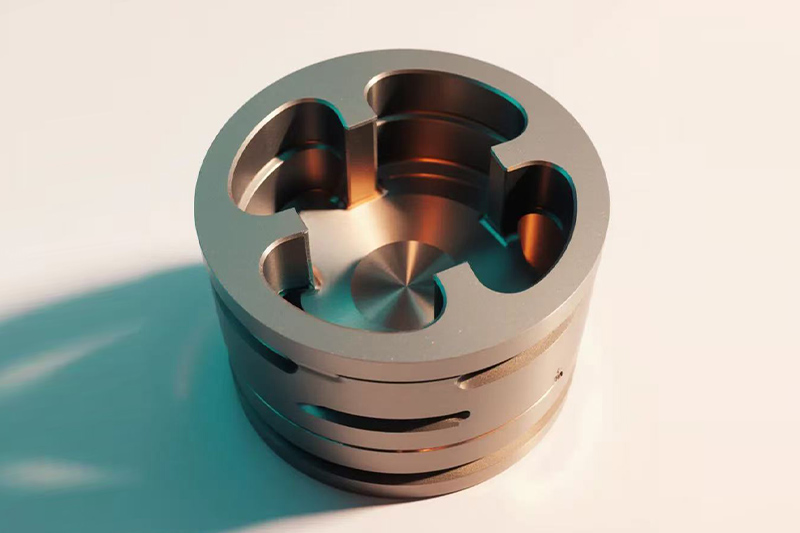
In short, undercuts support complex, high-performance functions where simplicity alone won’t suffice. They unlock engineering flexibility while demanding machining expertise.
Conclusion
Undercut machining goes far beyond simple geometry—it’s about engineering precision and foresight. I’ve seen how the right tool or setup can turn a manufacturing challenge into a functional design advantage.
If your part demands tight tolerances, intricate recesses, or internal features that aren’t reachable with standard tools, undercuts are likely in your future. The key is knowing when to use lollipop cutters, when to go 5-axis, or when EDM is your best bet.
At Onlyindustries, we specialize in resolving these exact scenarios. From mold tooling for rapid injection projects to aerospace-grade components with inaccessible geometry, we provide the technical guidance and production capability to make your designs work—without driving up cost or time.
Whether you’re developing a prototype or moving into low-volume production, our team is here to help streamline your path from CAD to component.
Contact us today and let’s engineer a smarter solution for your undercut features.